Technology
AI at Work 2026: 8 Jobs Changing Fastest and How to Adapt
AI is changing tasks before job titles. We look at eight roles adapting fastest in 2026, the skills that still matter and practical steps to stay useful.

The useful question about AI and work is not which jobs will disappear. It is which tasks are being handed to a model right now, and what that leaves for the person doing the job. In 2026 the answer varies enormously by role, and it rarely matches the dramatic headlines.
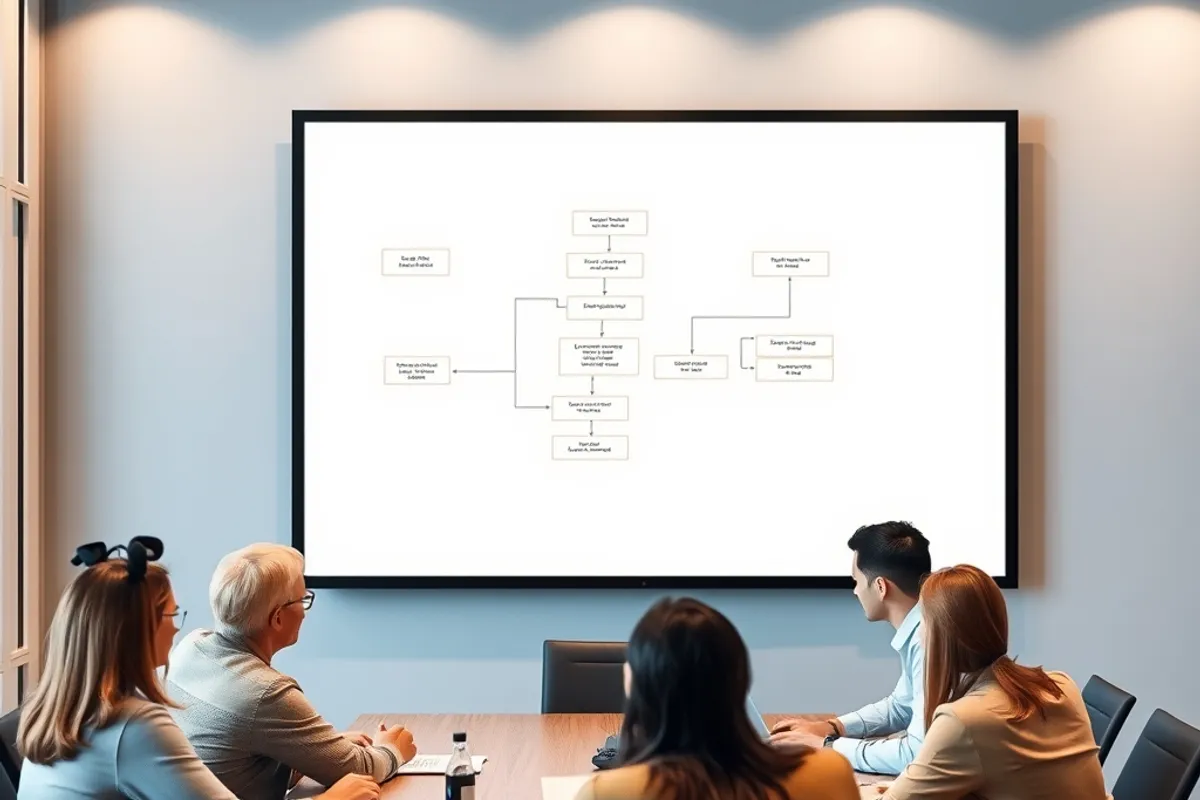
Tasks change before titles do
A job is a bundle of tasks. AI tends to take the repeatable, text-heavy parts first: drafting a first version, summarising a long document, checking a form for obvious errors. The title stays the same while the day changes around it.
That is why simple job-loss forecasts are unreliable. A role can lose half its typing and gain a new review burden. The person who adapts is not the one who types fastest; it is the one who can specify the task, check the output and take responsibility for the result.
The model can produce the draft. It cannot attend the meeting where the draft is defended.
The eight roles adapting fastest
The fastest changes are in customer support, marketing copy, junior legal research, bookkeeping, basic coding, translation, HR screening and data reporting. Each has a high share of routine text or structured tasks that a model can start, and a clear point where a human must check the work.
In each case the pattern is similar: fewer hours on production, more hours on verification, exceptions and relationships. A support agent spends less time typing and more time de-escalating. A bookkeeper spends less time entering receipts and more time explaining a discrepancy. Our guide to the small business outlook shows how firms are reorganising around that shift.

Skills that still matter
Three skills hold their value: judgement in ambiguous cases, accountability when something goes wrong, and trust built through relationships. A model can suggest a decision, but someone still has to own it. That ownership is why senior roles are proving harder to automate than junior production work.
A fourth skill is increasingly valuable: the ability to write a clear instruction and define what good looks like. People who can specify a task precisely get far more from these tools than those who type a vague request and accept the first answer.

How to adapt without panic
Pick one repetitive task you do each week and try the tool on it for a month. Measure the time saved and the errors introduced. Keep a review step until you can describe exactly when the output is reliable. That small experiment teaches more than a conference talk.
Then make your value visible. If you use a model to speed up a report, say so and show how you checked it. Employers reward people who raise quality, not people who hide the tool and hope no one notices. The same discipline applies to security, which we cover in our home cybersecurity guide.

What to watch next
Watch job adverts rather than headlines. If the same role now lists review, quality control or client communication where it used to list production speed, the task mix has already changed. Watch training budgets too, because firms that cut them are usually planning to buy tools instead of developing people.
For a neutral background on the technology and its limits, see the Wikipedia article on artificial intelligence. It is a useful primer on what these systems do and do not do, which is the right starting point before you reorganise a team around one.