World News
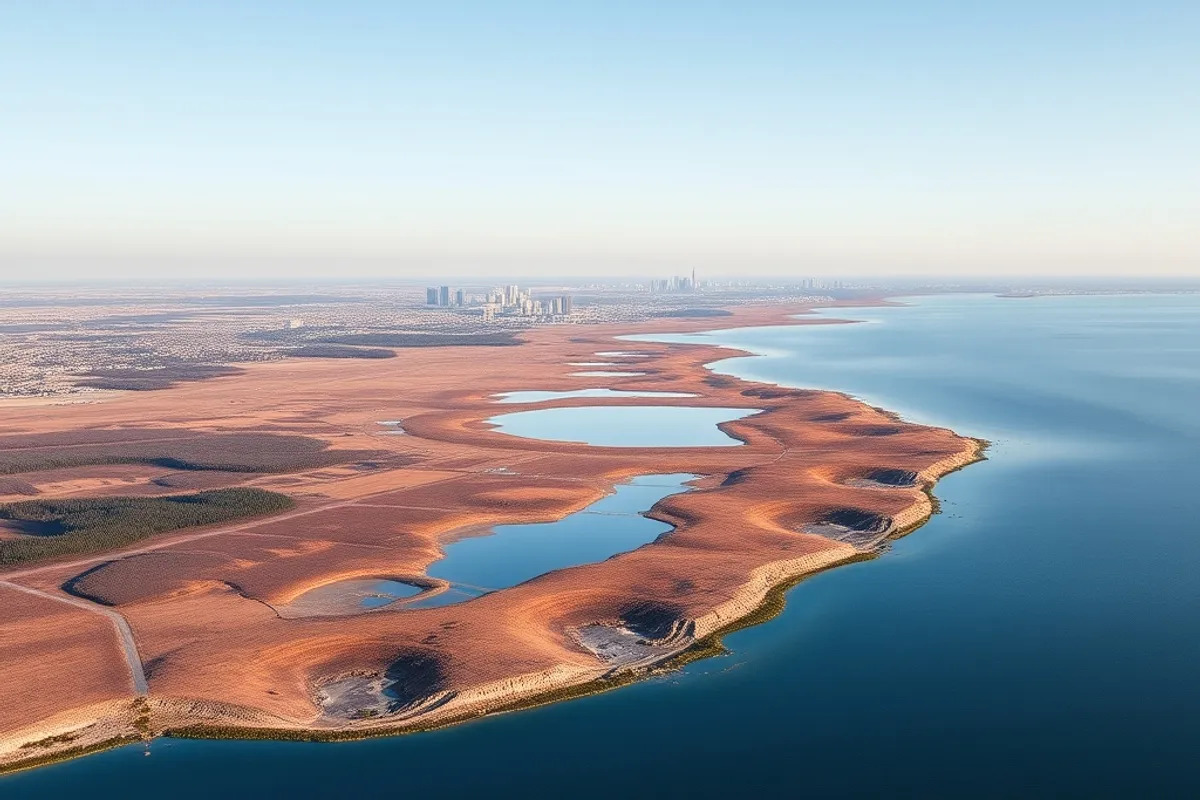
Global Water Security 2026: 9 Cities Facing Hard Choices
Nine fast-growing cities are rethinking water in 2026. We explain the reservoirs, leaks and prices behind the headlines, and what residents can do now.
World news is rarely about one headline. It is about pressure building in places most of us will never visit: a reservoir dropping below its intake, a coastline retreating, a city growing faster than its pipes. Our World News section follows those pressures and translates them into consequences readers can understand.
Every guide starts with primary reporting and public data, then adds the context that breaking coverage leaves out. We name the trade-offs, the dates and the numbers, and we tell you what to watch next rather than what to fear.
We begin with official data from UN agencies, national statistics offices and peer-reviewed research, then check the claims against at least two independent sources. A story only runs when the underlying numbers are public, dated and specific enough to verify.
We also track what changes on the ground. A water target, a migration route or a border rule can shift within months, so each guide carries the date it was last checked. When a figure moves, we update the page and note the correction instead of quietly rewriting it.
A single dramatic number is easy to share and easy to misread. Context is what turns a statistic into a decision: how many people are affected, over what period, compared with what baseline. We slow down enough to answer those questions before we publish.
That means fewer stories and longer shelf life. If you only read one thing about a global issue, we want it to be something you can still trust a month later, after the news cycle has moved on.
Three threads run through this year: water stress in fast-growing cities, displacement driven by repeated climate shocks, and the widening gap between what governments promise and what they fund. Each one is measurable, and each one will produce decisions that affect daily life.
We follow the money as closely as the pledges. Budget lines, insurance withdrawals and infrastructure contracts usually reveal the real direction of policy long before a summit does.
Read the key facts first, then the detail. If a story touches where you live or where you invest, check the linked primary source and the date. Conditions change, and a guide is a starting point rather than a final verdict.
A neutral primer on how global development data is collected and compared is available through the UN Statistics Division. It will not tell you what to think, but it will help you judge the numbers you read here.
Nine fast-growing cities are rethinking water in 2026. We explain the reservoirs, leaks and prices behind the headlines, and what residents can do now.
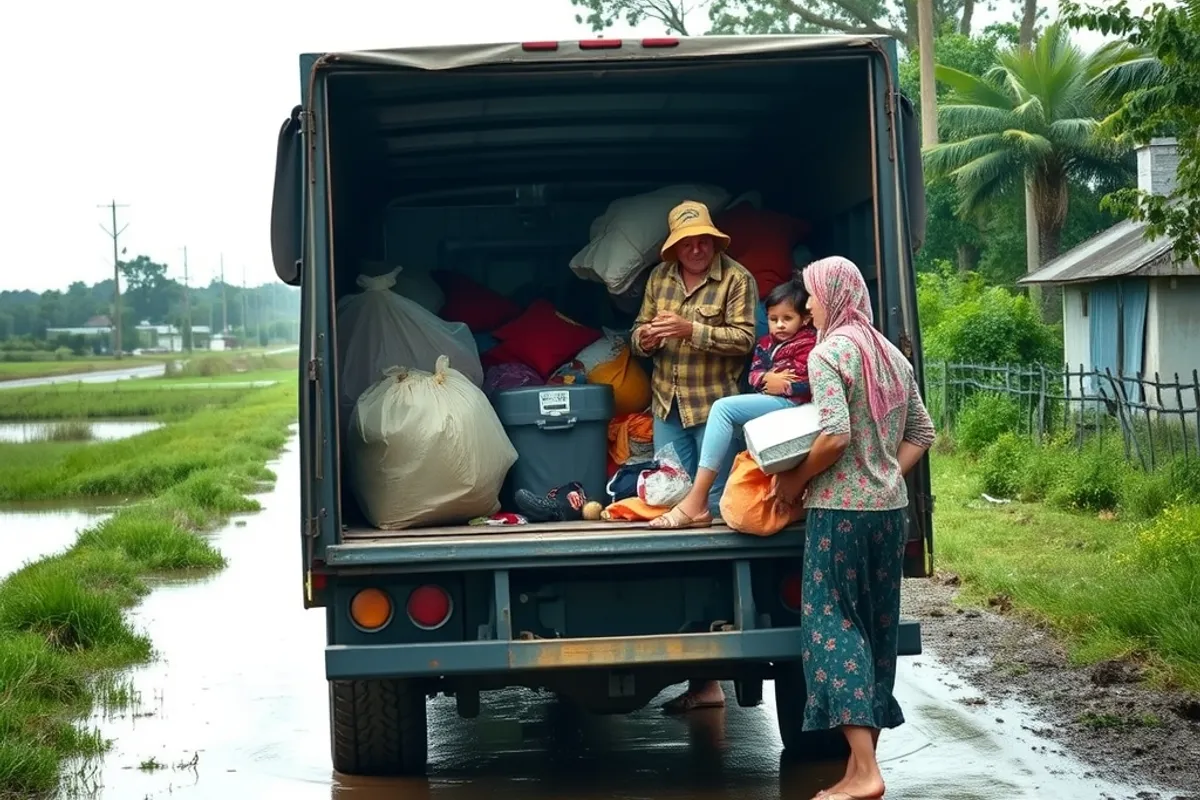
Climate migration is no longer a future scenario. We look at where people are moving in 2026, what drives the decision and how host cities are responding.