World News
Global Water Security 2026: 9 Cities Facing Hard Choices
Nine fast-growing cities are rethinking water in 2026. We explain the reservoirs, leaks and prices behind the headlines, and what residents can do now.
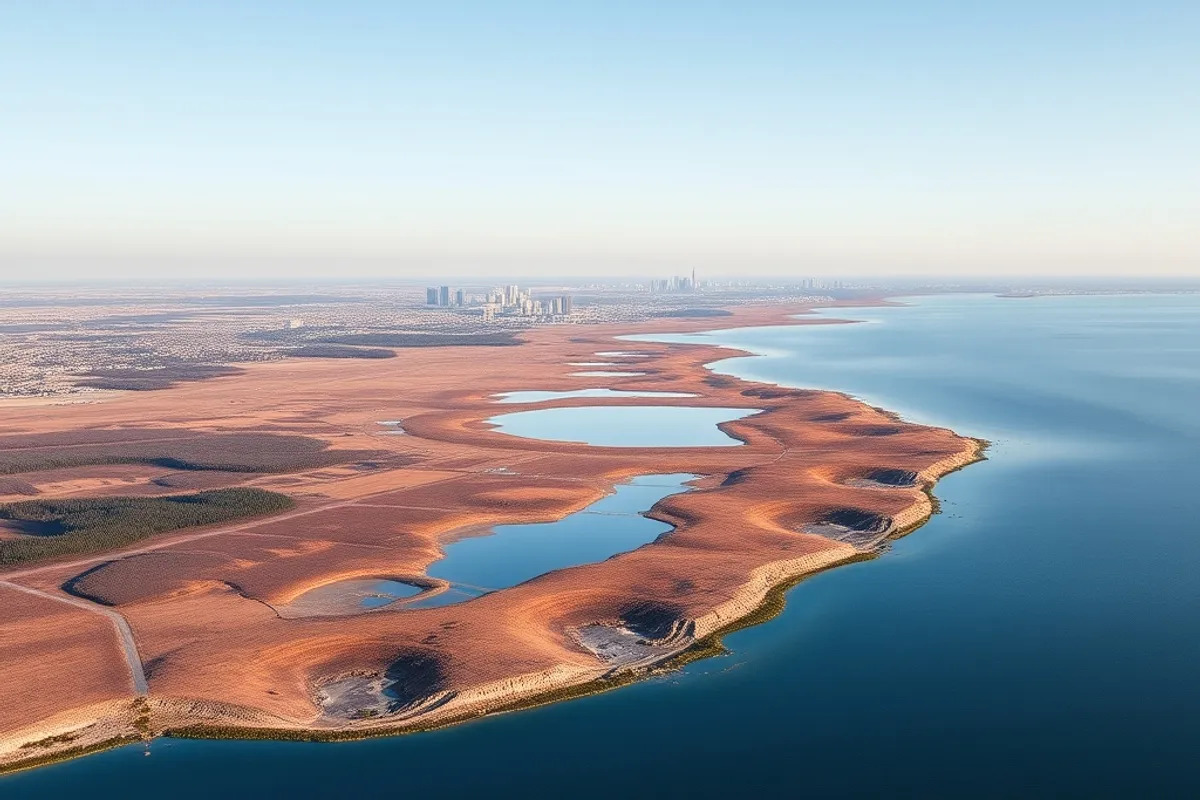
Water stress rarely arrives as a single crisis. It builds quietly through a dry winter, a growing suburb, a pipe that has leaked for a decade. By the time a city announces restrictions, the underlying problem is often years old. In 2026, nine fast-growing cities are living with that arithmetic in public, and their choices will shape how the rest of the world plans.
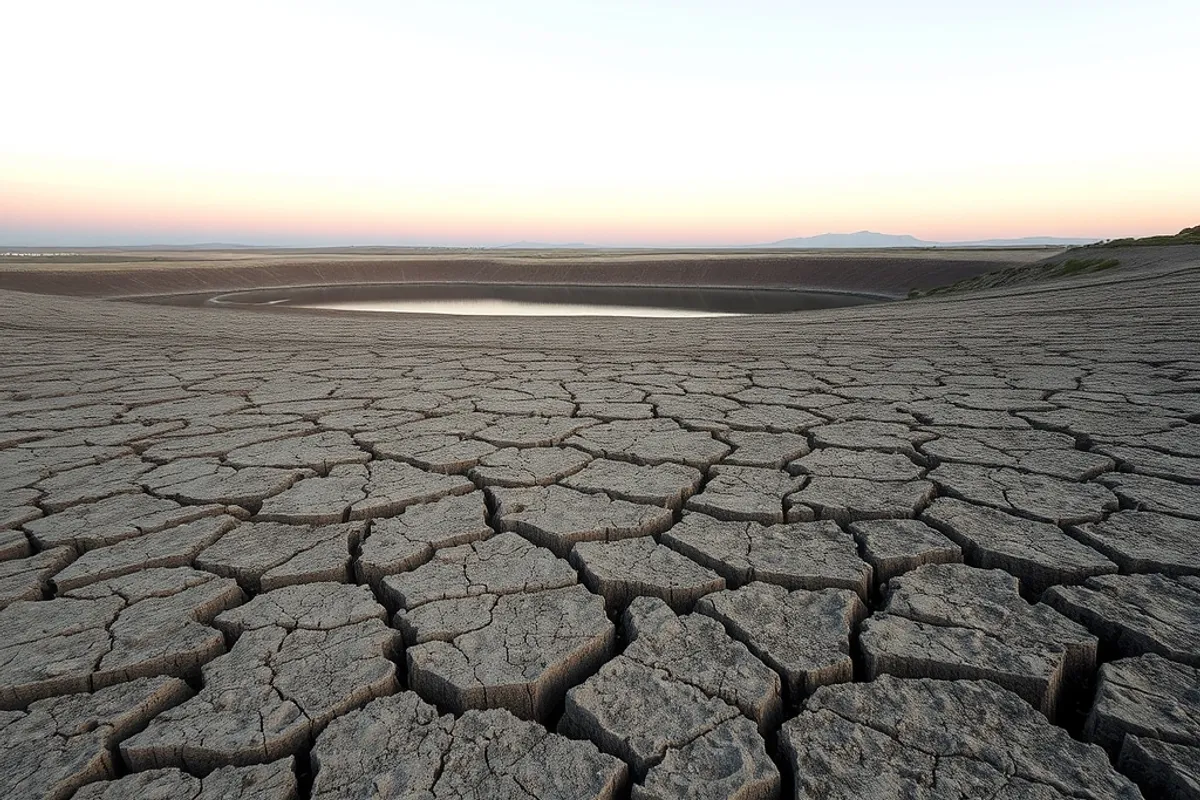
Why water stress is a city problem
Cities concentrate demand. A single square kilometre of apartments can use as much water as a large farm, and the pipes that serve it are often older than the people who depend on them. When rainfall becomes less predictable, the gap between supply and demand is filled by rationing, higher prices or both.
The poorest households feel it first. They are more likely to live at the end of a low-pressure line, to buy water from tankers at several times the piped price, and to lose a day of work queuing when supplies are cut. A city can appear to have enough water on average while still failing the people who need it most.
A reservoir is a storage decision. A leak is a maintenance decision. Most water crises are made of both.
The nine cities on the watch list
The list spans four continents and several income levels: fast-growing capitals in South Asia and East Africa, coastal cities facing saltwater intrusion, and dry inland metros that depend on a single river basin. What unites them is a gap between planned growth and the water actually available under a drier climate.
Some have responded early with metering, leak repair and public dashboards. Others have relied on rationing while approving new developments. The difference usually shows up in how quickly restrictions become permanent. Our guide to climate migration explains what happens when families decide the city is no longer viable.
What the numbers actually show
The most useful figure is not total rainfall but non-revenue water: the share that leaves the treatment plant and never reaches a paying customer. Across the nine cities it ranges from 12 to 45 percent. In the worst cases, almost half the treated supply is lost before it reaches a tap.
The second figure is the price households actually pay, including tankers and bottled water. In several cities the official tariff looks modest while the real cost of a reliable litre has climbed sharply. That gap matters because it falls hardest on households without storage tanks or the ability to buy in bulk.
The fixes that pay for themselves
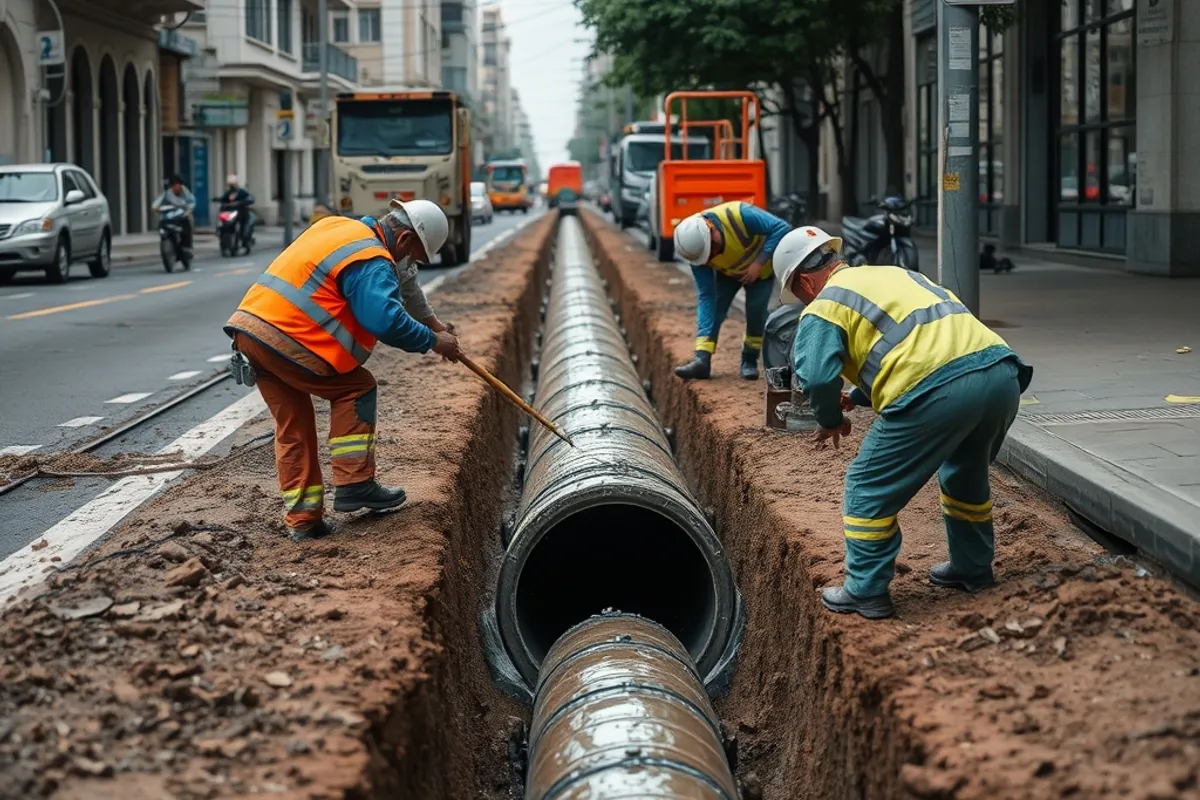
Leak detection, pressure management and accurate metering are unglamorous, but they are usually the cheapest supply a city can find. Replacing a failing main costs less per litre than a new desalination plant, and it can be delivered in months rather than years. Rainwater harvesting and wastewater reuse add further capacity without touching a river.
The obstacle is political, not technical. A repaired pipe is invisible, while a new dam can be photographed. That is why transparency matters: residents who can see the leakage rate and the repair budget are better placed to ask why one project moved ahead of another. Our guide to local government transparency shows where those documents live.
Who pays and who decides
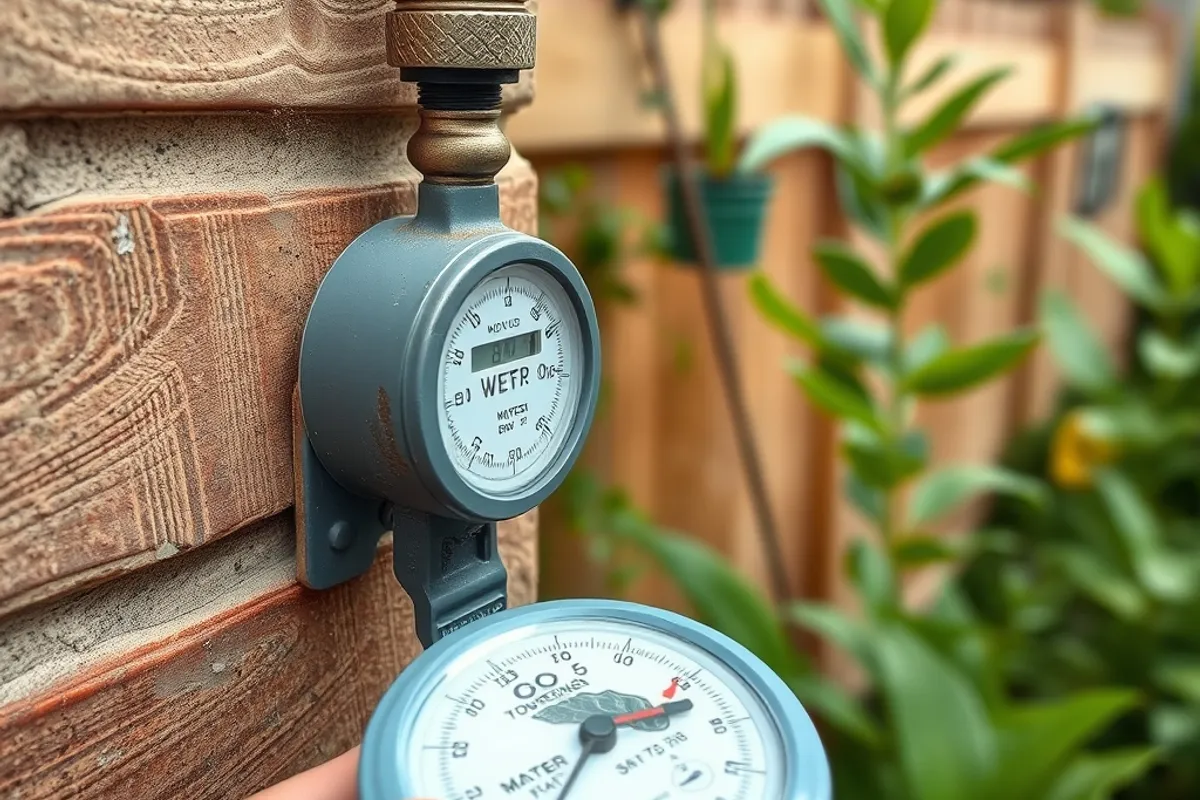
Water pricing is a distributional choice. Raise the tariff and heavy users pay more, but so do large families unless the block structure protects a basic allowance. Keep it low and the utility cannot fund maintenance, so the system degrades until everyone buys tankers. There is no free option, only a choice about who absorbs the cost.
The cities that have managed best combine a lifeline tariff, a rising block for high use and a published plan for leaks and storage. They also involve residents early, before restrictions, so that the rules are understood rather than resented. Trust is a piece of infrastructure, and it is cheaper to maintain than to rebuild.
What to watch next
Watch three things in the next twelve months: the leakage rate each utility publishes, whether new developments are approved before supply is secured, and the real price of water at the tap. A city that reports all three is a city taking the problem seriously. A city that reports none is asking residents to trust a promise.
For households, the practical steps are modest but real: fix dripping taps, install a low-flow shower head, keep a covered storage container if supply is intermittent, and learn where your water comes from. For a neutral overview of the pressures involved, see the Wikipedia article on water scarcity. It is a useful starting point before you read a utility report.