World News
Climate Migration 2026: Where Communities Are Moving Now
Climate migration is no longer a future scenario. We look at where people are moving in 2026, what drives the decision and how host cities are responding.
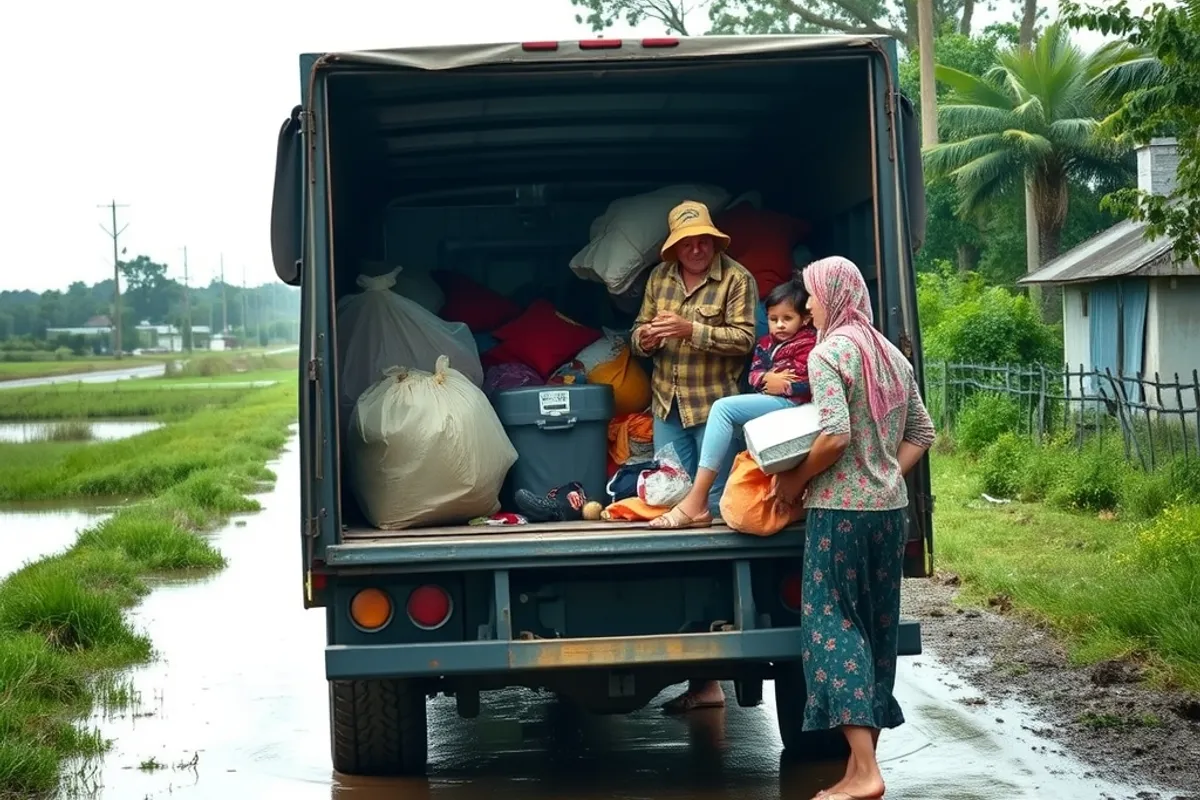
The image of climate migration is usually a border crossing. The reality is more often a bus ride to the next district: a family leaving a flood-prone delta for higher ground, a farmer moving to a regional town after three failed seasons, a coastal household shifting inland as salt reaches the well. Most of this movement happens inside a country and rarely makes international news.
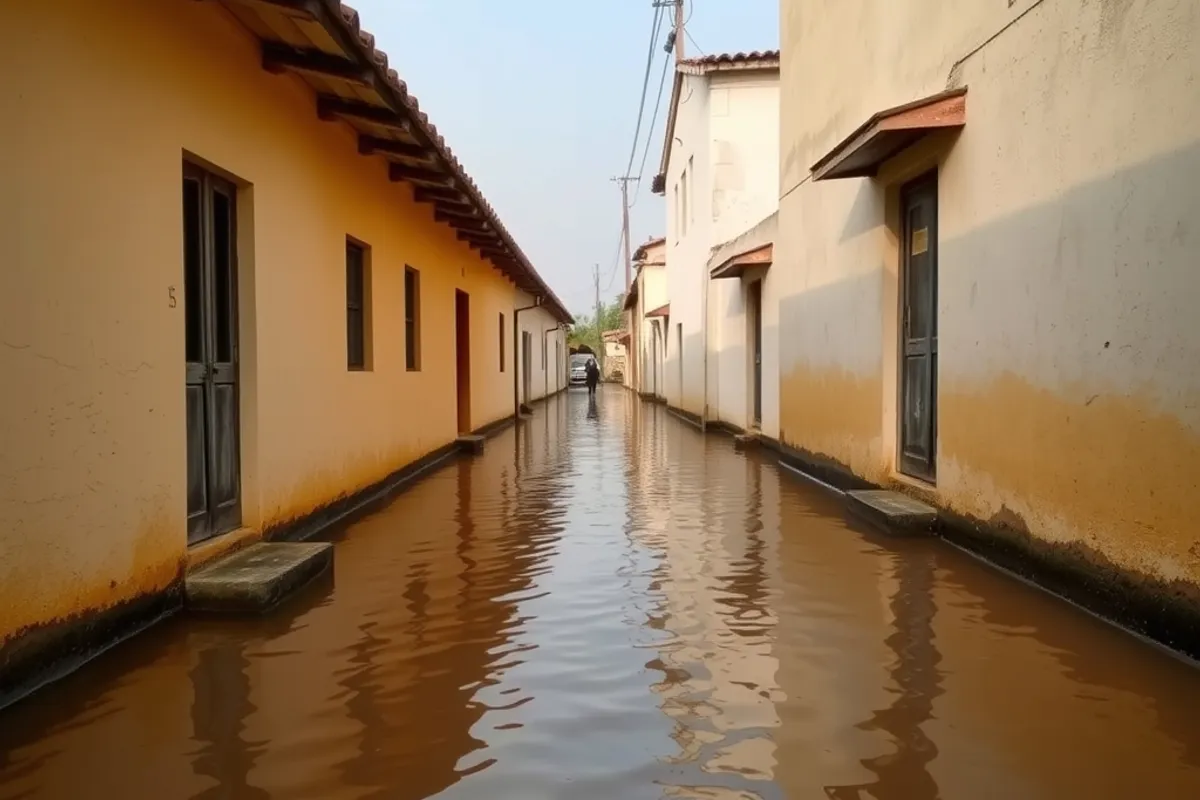
What climate migration actually looks like
Researchers separate sudden displacement from slow-onset movement. A flood or cyclone forces people out in hours, often temporarily. Drought, sea-level rise and land degradation push households to leave over years, after a series of bad seasons and failed loans. The second kind is harder to count but more permanent.
The decision is rarely about climate alone. Work, school, health care and family networks all pull in the same direction. A household may say it moved for a job when the deeper reason is that the well ran dry. That is why simple climate-refugee counts miss most of the story.
People rarely leave because of one flood. They leave because the fifth one makes recovery impossible.
Where people are moving in 2026
The strongest flows are from rural and coastal districts to nearby regional centres, and from smaller towns to larger cities that already have hospitals and universities. In South Asia and parts of Africa, the destination is often a city in the same country, not a wealthy nation far away.
Some destinations are themselves under water stress, which turns a climate problem into an urban planning problem. Our report on global water security explains why the receiving city often cannot absorb new residents without new pipes, storage and metering.
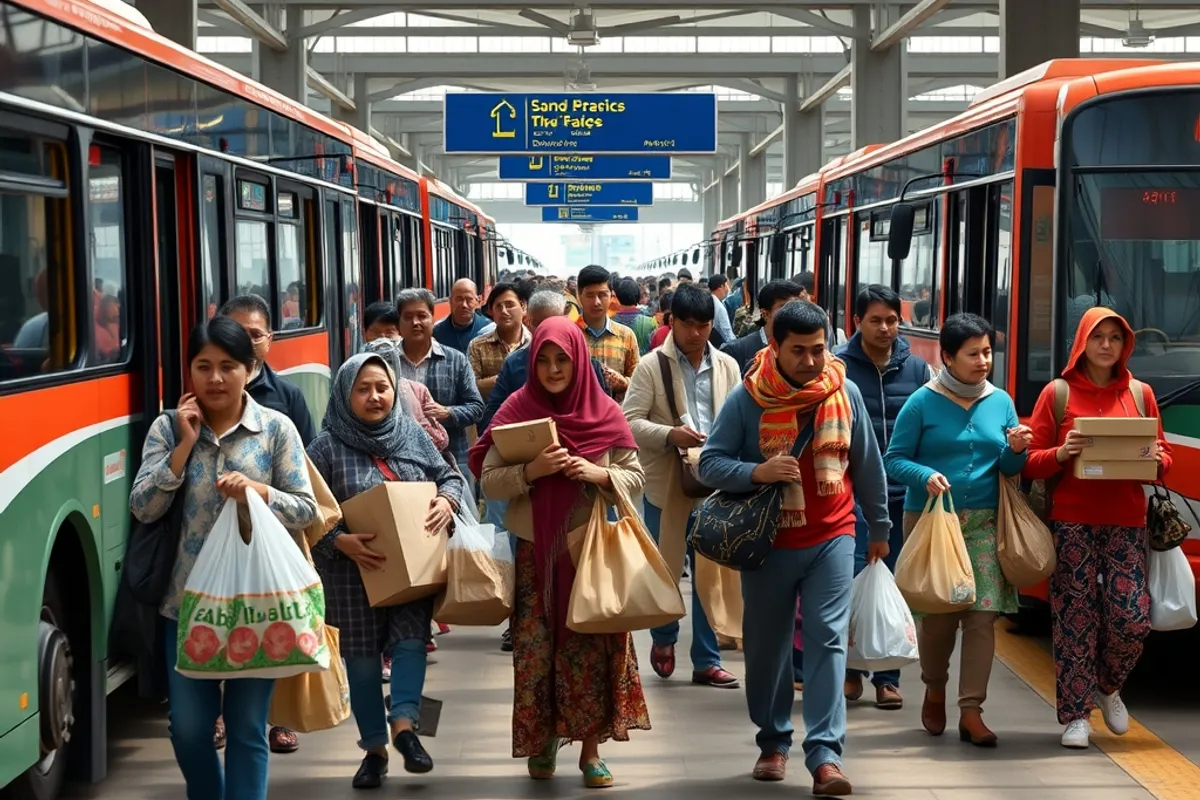
How host cities respond
Cities that manage well focus on the basics: affordable rental housing, reliable water, transport links to work, and schools that can enrol children mid-year. These are ordinary municipal functions, but they are exactly where fast-growing host cities tend to be weakest.
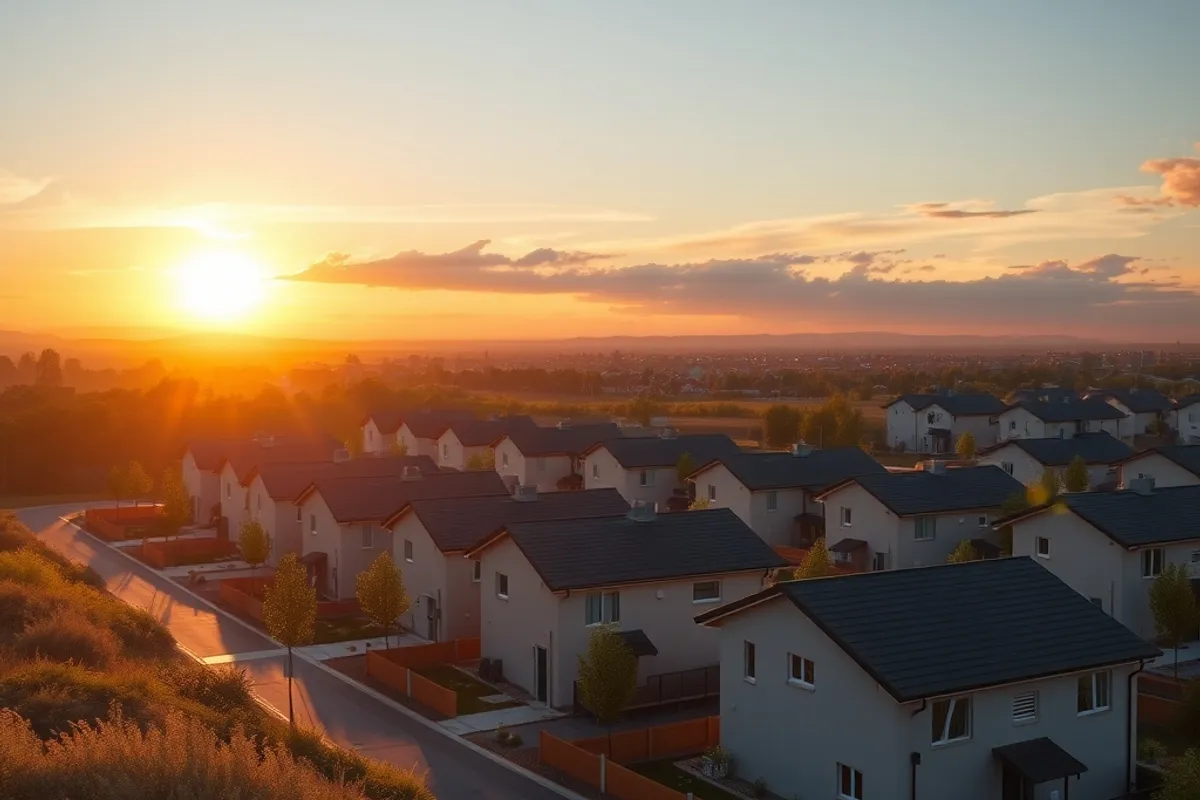
Planned relocation, where a community moves together to a prepared site, can work when residents help choose the location and keep access to work and services. It fails when people are moved to a site with no transport, no water and no say. The difference is rarely budget alone; it is whether the plan treats people as decision-makers. Our guide to third places looks at why community spaces matter in these transitions.
The money problem
Most climate finance is designed for projects, not people. A city can borrow for a treatment plant but struggle to fund rental support or a community centre. That mismatch leaves the human side of relocation underfunded, even when the infrastructure money is available.
Insurance is another pressure point. When premiums rise or insurers withdraw, households that cannot sell and cannot rebuild are effectively stuck. A fair adaptation plan needs a route out for them that does not depend on a single good year.
What to watch next
Watch municipal housing plans, water investment and school enrolment data rather than national statements. Those are the places where migration becomes visible and where a city either absorbs new residents or pushes them to the margins. Also watch whether relocation schemes publish their selection criteria, because secrecy is where trust breaks.
For a neutral overview of the drivers and definitions, see the Wikipedia article on climate migration. It sets out the categories and the debate without claiming a single number that no one can verify.