Economy
Cost of Living 2026: 9 Everyday Prices and How They Moved
We tracked nine everyday purchases through 2026: how bread, rent, fuel and transport moved, why the official figure feels wrong, and what you can do next.
The economy is not an abstraction. It is the price of bread, the rent renewal, the quote for a repair and the decision whether to hire one more person. Our Economy section follows those everyday numbers and the forces moving them.
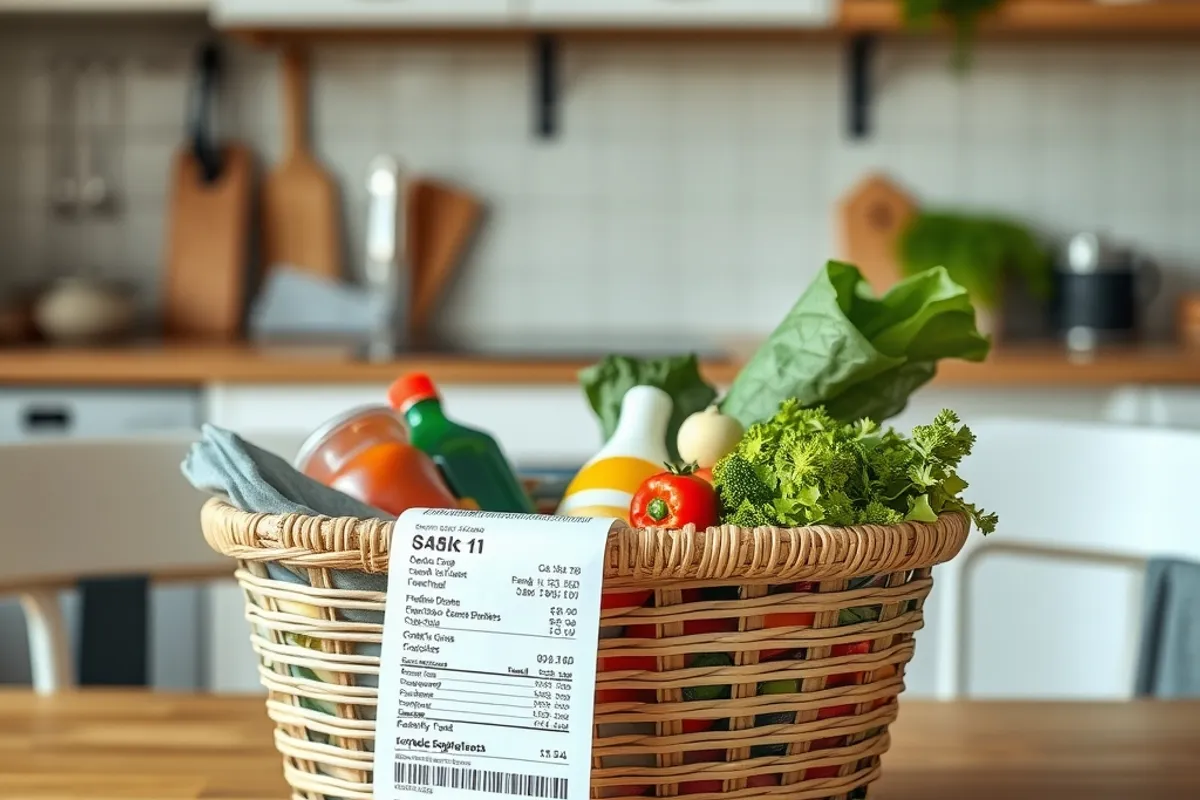
We use published statistics, but we test them against real receipts. When the official inflation figure and the weekly shop disagree, we explain why rather than pretending one of them is wrong.
We keep a basket of common purchases: bread, milk, eggs, fuel, a bus fare, a basic phone plan and a mid-range takeaway meal. We record prices in several cities each quarter and compare the change with the official index.
The two rarely match exactly because the official basket includes things households do not buy every week. That gap is the story. It explains why people feel squeezed even when headline inflation is falling.
Small firms face the same prices as households, plus rent, wages, energy and borrowing costs. We speak to owners about what they are changing: smaller orders, shorter menus, fewer staff hours, or a price rise they delayed for as long as possible.
The most useful signal is not confidence surveys but behaviour. A cafe that cuts opening hours is telling you more about demand than any index. We report those decisions with the numbers behind them.
A pay rise only helps if it outpaces the bills that rose first. Housing is usually the largest and least flexible cost, which is why rent changes dominate household anxiety. We break down how much of a typical budget goes to shelter, food and transport.
Where data exists, we compare the same household type across cities. The differences are often larger than the national averages suggest, and they matter more for a decision about where to live or work.
An average can hide a lot. A median is usually more honest for incomes and prices because it is not dragged upward by a small number of very large values. Always check which one a report uses.
For a neutral explanation of how inflation is measured and why baskets differ, see the Wikipedia article on inflation. It is a useful primer before you read any central bank statement.
We tracked nine everyday purchases through 2026: how bread, rent, fuel and transport moved, why the official figure feels wrong, and what you can do next.

Rent, wages and borrowing costs are reshaping small firms in 2026. We spoke to owners about hiring, pricing and the changes they are making to survive the year.