Politics
Elections to Watch in 2026: 7 Votes That Will Shape Policy
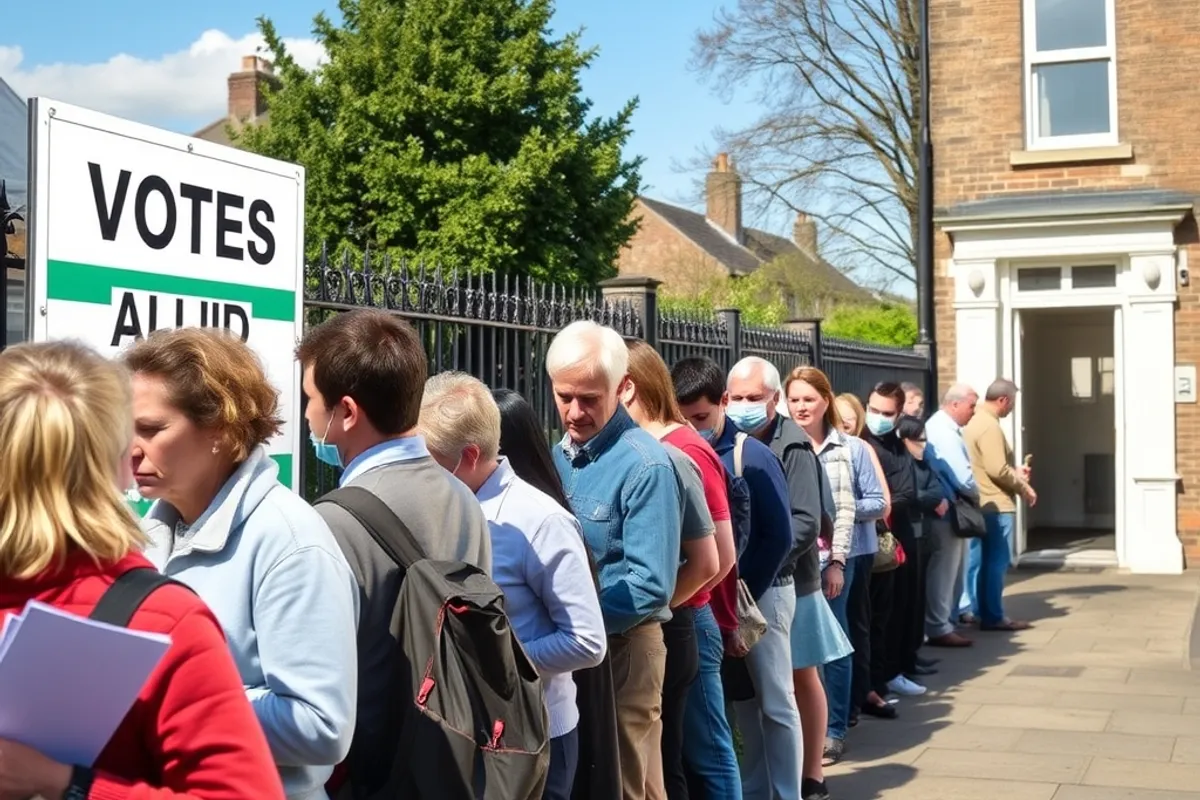
Seven elections in 2026 will decide budgets, climate rules and the balance of power. We explain the dates, systems and outcomes that matter beyond the campaign.
Politics is the machinery that decides who pays for what. It is also the area where readers are most often served opinion dressed up as fact. Our Politics section sticks to process: who votes, when, on what, and how the result changes the rules ordinary people live under.
We cover national contests and the less glamorous local decisions that shape housing, transport and schools. The aim is not to tell you how to vote but to make the ballot, the budget and the timeline legible before you do.
We start with the official electoral calendar and the rules that govern each contest: who can stand, how seats are allocated, and what a coalition would require. Polls are reported with their sample size, fieldwork dates and margin of error, never as a prediction.
We also separate campaign claims from governing records. If a candidate says a policy will cost a certain amount, we look for the published costing and the assumptions behind it. When no costing exists, we say that plainly.
Most decisions that affect a household are made at the local level: planning permission, waste collection, school admissions, bus routes. These meetings are public, but the paperwork is often hard to find. We explain how to locate the agenda, the minutes and the vote.
A council budget is a political document in numbers. Reading it reveals priorities faster than any manifesto. Our guides show which lines to check and how to compare this year with the last.
Campaign finance, lobbying registers and public procurement are the three places where policy and money meet. We explain what each register contains, how often it is updated, and what a gap or an omission can mean.
Transparency rules differ by country, but the questions are constant: who donated, who met whom, and who won the contract. Once you know where to look, you can check a claim in minutes.
Ask three questions of any political story: what changed, who has the power to change it, and when the decision becomes binding. If a report cannot answer those, it is probably a reaction rather than news.
For a neutral overview of how different electoral systems translate votes into seats, the ACE Electoral Knowledge Network is a useful reference. It explains the mechanics without taking a side.
Seven elections in 2026 will decide budgets, climate rules and the balance of power. We explain the dates, systems and outcomes that matter beyond the campaign.
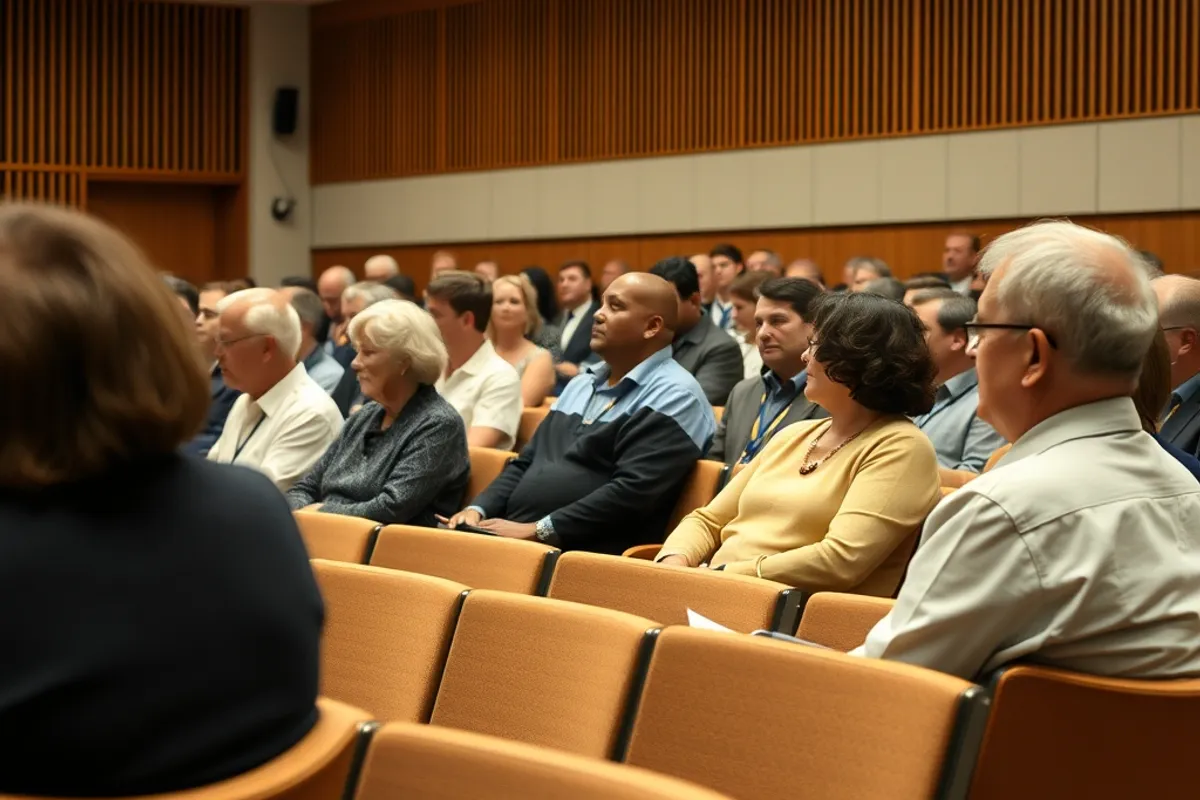
Council budgets, planning votes and procurement records are public if you know where to look. A practical guide to following the local decisions in 2026.