Politics
Local Government Transparency 2026: A Voter's Guide
Council budgets, planning votes and procurement records are public if you know where to look. A practical guide to following the local decisions in 2026.

Most of the decisions that shape a street are made in a room with bad lighting and a long agenda. A planning approval, a waste contract, a school catchment change: these are local votes with long consequences. The documents behind them are public, but they are rarely easy to find. This guide shows you where to look and what to ask.
Start with the agenda and the minutes
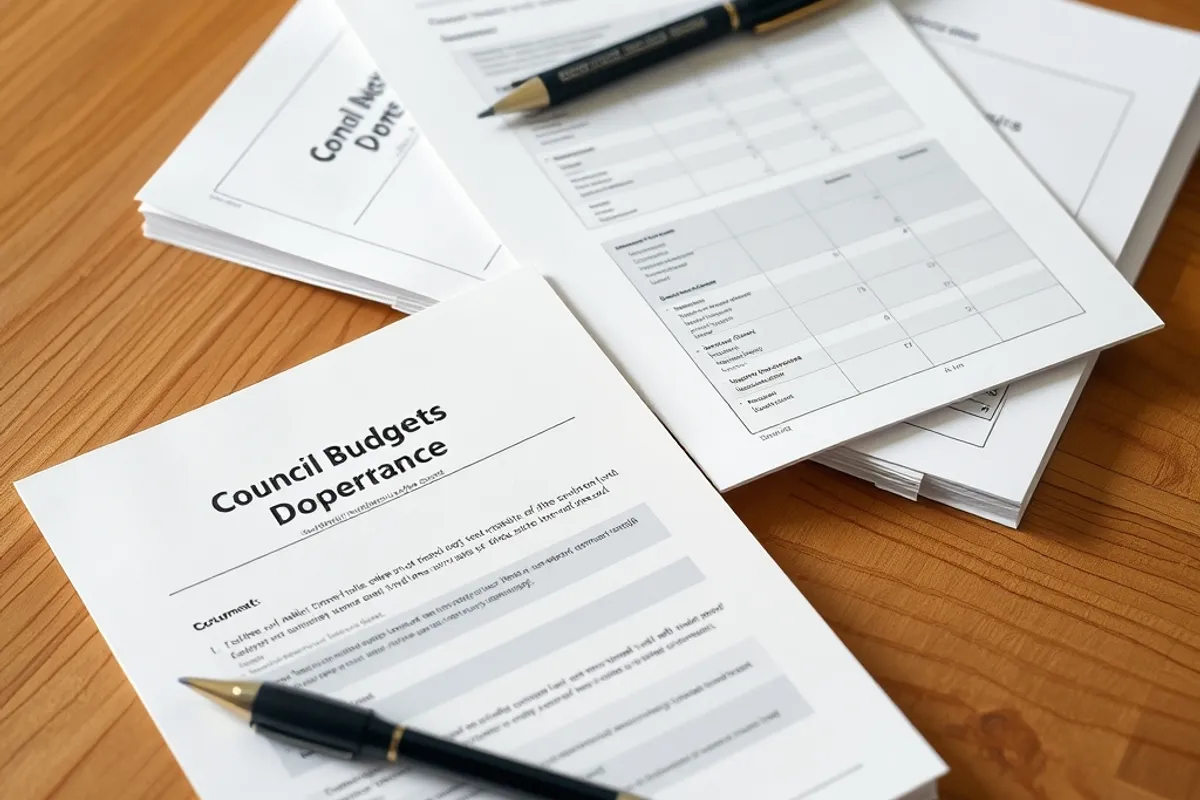
Every council publishes an agenda before a meeting and minutes afterwards. The agenda tells you what will be decided; the minutes tell you what was said and how people voted. Read the officer report attached to each item, because it usually contains the numbers and the options that the debate skips.
If a decision is taken in a private session, the law usually requires a published reason and a summary afterwards. A vague reason such as commercial sensitivity is common, but it is not unlimited. Ask for the specific exemption and the date it expires.
A budget is a list of promises with numbers attached. Read it before the election, not after.
Read the budget like a reporter
Start with the largest lines and compare them with last year. A jump in temporary accommodation spending usually signals a housing pressure. A cut to road maintenance shows up as potholes two winters later. A new line for consultants is worth a question about what permanent staff could not do.
Then look at the reserves. A council that draws down reserves to balance day-to-day spending is buying time, not solving a problem. One year is a buffer; three years is a warning. Our guide to the cost of living explains how these local choices feed into household bills.
Planning and procurement
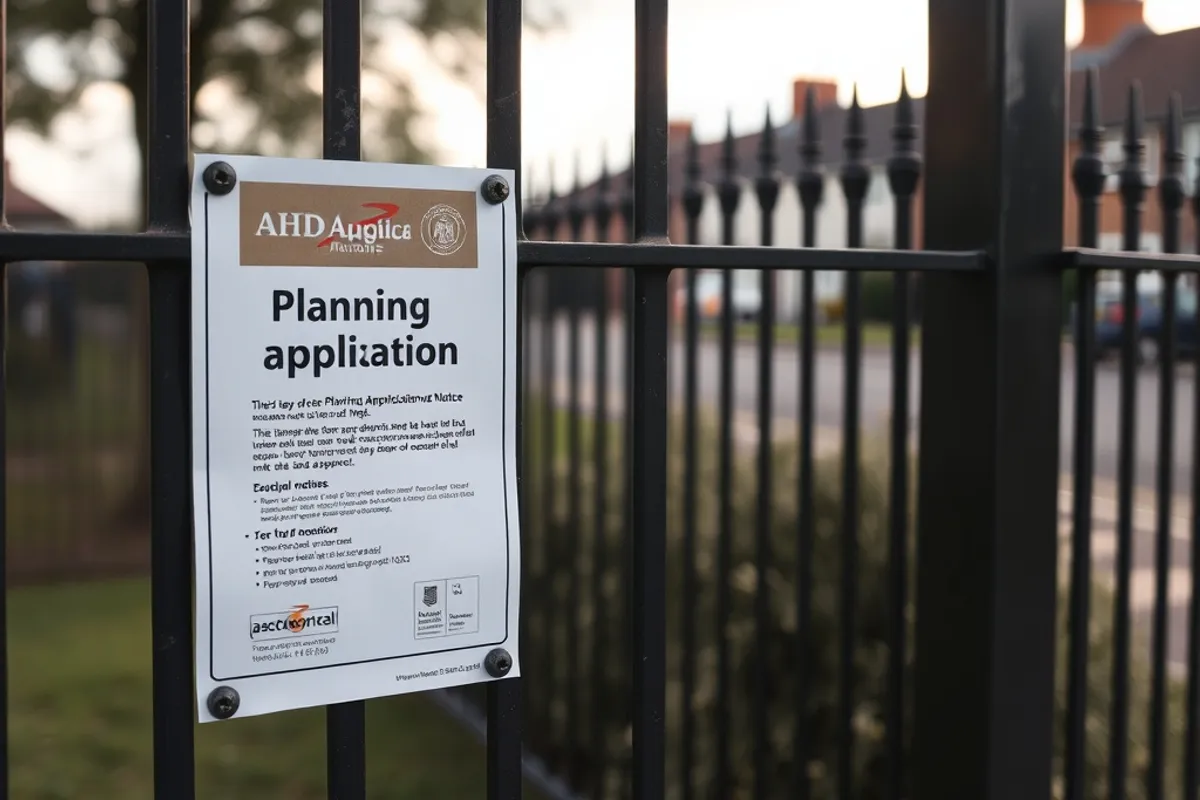
Planning records show who applied, what was proposed, who objected and why the committee voted as it did. They are often the best evidence of whether a local plan is being followed. Procurement records show who won a contract, for how much, and against what criteria.
Both are places where small decisions add up. A changed condition on a housing scheme can remove affordable units. A contract awarded without competition can lock a council into higher costs for a decade. You do not need to be an expert to ask what the scoring was and whether the loser challenged it.

How to make a request that works
Ask for a specific document, not a topic. Name the meeting date, the item number and the file you want. If you are using a freedom of information route, keep the request narrow and ask for a format you can read. A clear request is faster and cheaper for everyone.
Keep a record of the date you asked and the deadline you were given. If the response is late, a short follow-up usually works better than a public argument. And share what you find: a document posted in a local group often reaches more people than a meeting ever will.
What to watch before the next vote
Watch three documents: the medium-term financial plan, the housing or local plan, and the procurement pipeline. Together they show what a council intends to spend, where it intends to grow, and who will deliver the work. If those three are consistent, the manifestos are mostly decoration.
For a neutral overview of the principles behind open government, the Wikipedia article on open government is a reasonable primer. It explains the standards that councils are expected to meet, which makes it easier to spot when one is falling short. For the national picture, see our guide to elections to watch in 2026.