Politics
Elections to Watch in 2026: 7 Votes That Will Shape Policy
Seven elections in 2026 will decide budgets, climate rules and the balance of power. We explain the dates, systems and outcomes that matter beyond the campaign.
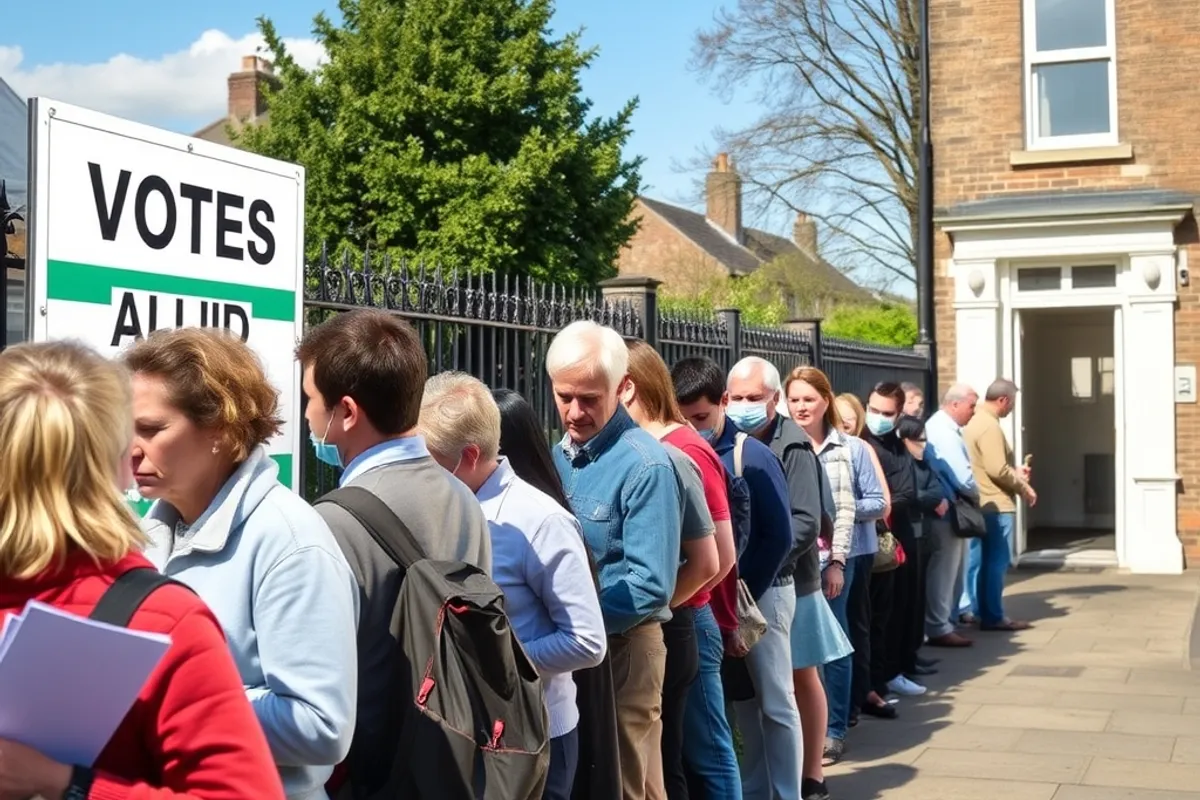
An election is not a single night. It is a calendar, a rulebook and a set of thresholds that decide how votes become seats. In 2026, seven contests will matter far beyond their borders because they control budgets, climate rules and the direction of trade. This guide explains what each one is really deciding.

Why these seven elections matter
The seven share three features: a close contest, a clear policy consequence, and a system that can turn a modest vote swing into a large change in power. Some are national, some regional. What unites them is that the result will be felt in household budgets and in how fast a country can build or block infrastructure.
We are not predicting winners. Polls are snapshots with margins of error, and the ones published months out are weak guides. The useful work is understanding the rules: who can vote, how seats are allocated, and what a party would need to form a government.
The most important question is not who is ahead. It is what the rules do with the votes once they are counted.
The dates and the systems
The calendar runs from spring to late autumn. Three contests use first-past-the-post, which rewards concentration and can hand a party a large majority on a minority of votes. Two use proportional or mixed systems where coalition talks are the real election. The remaining two are local votes that shape housing and transport long before national policy moves.
The system is not a technical footnote. In a proportional system, a party that finishes third may still enter government. In a majoritarian system, a party that finishes second nationally can win the most seats. Readers who ignore the rulebook are often surprised by results that were predictable from the rules alone.

The policy at stake
Three themes recur: the cost of living, energy and climate spending, and the rules around migration and labour. In each case the election decides the pace, not just the direction. A government can slow a subsidy phase-out, change a housing target, or alter how quickly permits are granted for new power capacity.
Those decisions compound. A delay in grid investment in 2026 shows up as higher bills in 2029. A change to housing rules shows up in rents within two years. Our guide to the cost of living in 2026 explains which prices are most sensitive to policy, and why the effects lag.
Turnout is the hidden variable
When local elections share a date with a national contest, local results often follow the national swing because more people turn out. When they are separate, a small, motivated group can decide a council that controls planning and waste contracts. That is why the timing of a vote can matter as much as the campaign.
Younger and renter-heavy districts are consistently under-represented in local votes. A party that mobilises them can change a result without changing many minds. The reverse is also true: a comfortable national lead can vanish in a low-turnout local race.

How to follow the results
Follow the seat count, not the vote share, once polls close. Watch the turnout figure next to it, and then the coalition arithmetic. A party can gain votes and lose seats if its support is spread inefficiently. A party can lose votes and keep power if its support is concentrated.
For a neutral explainer of how different systems translate votes into seats, the ACE Electoral Knowledge Network is a reliable reference. It covers the mechanics in plain language, which is more useful than a forecast on election night. For local races, see our guide to local government transparency.