Lifestyle
Third Places 2026: Why Libraries and Cafes Matter Again
Libraries, cafes and halls fill a gap that remote work and rising rents created. We look at why third places matter in 2026 and how to keep them alive.
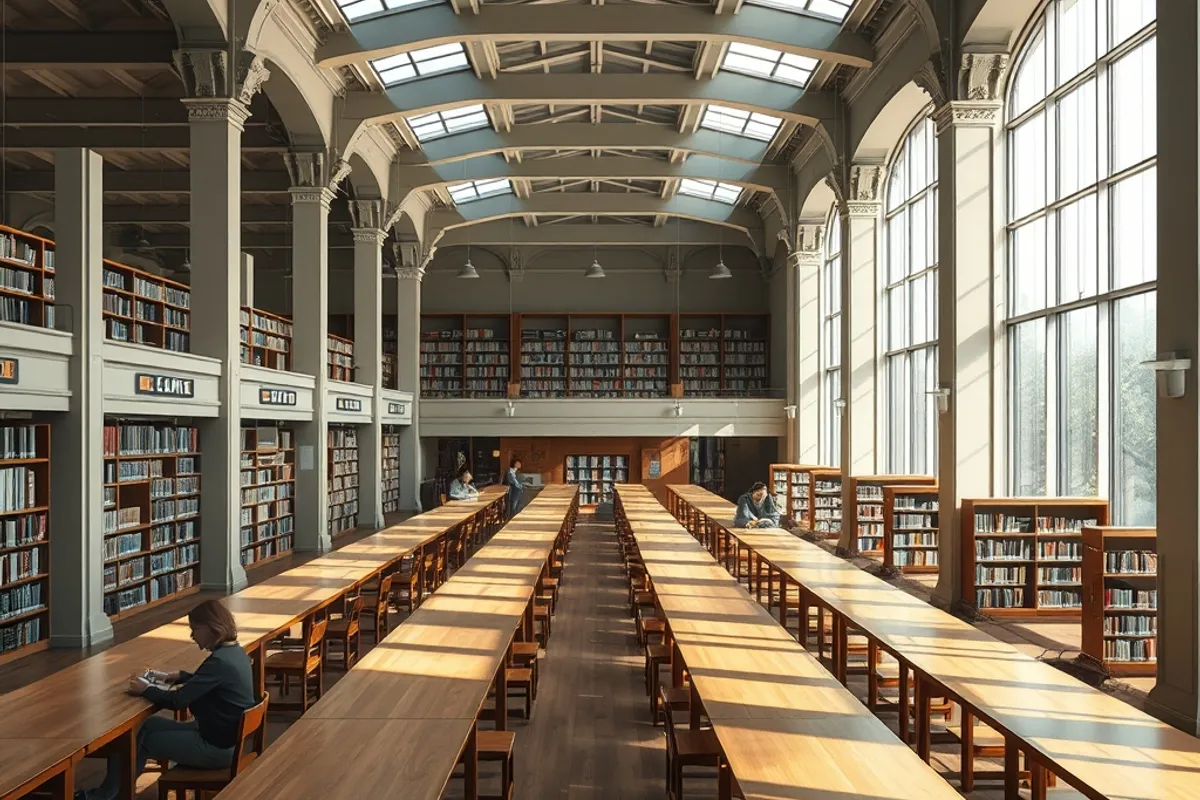
Remote work gave many people more flexibility and fewer casual encounters. The commute disappeared, and with it the small talk at the kettle, the nod to the person at the next desk, the sense of being among others without a meeting on the calendar. That gap is why third places are having a moment again.
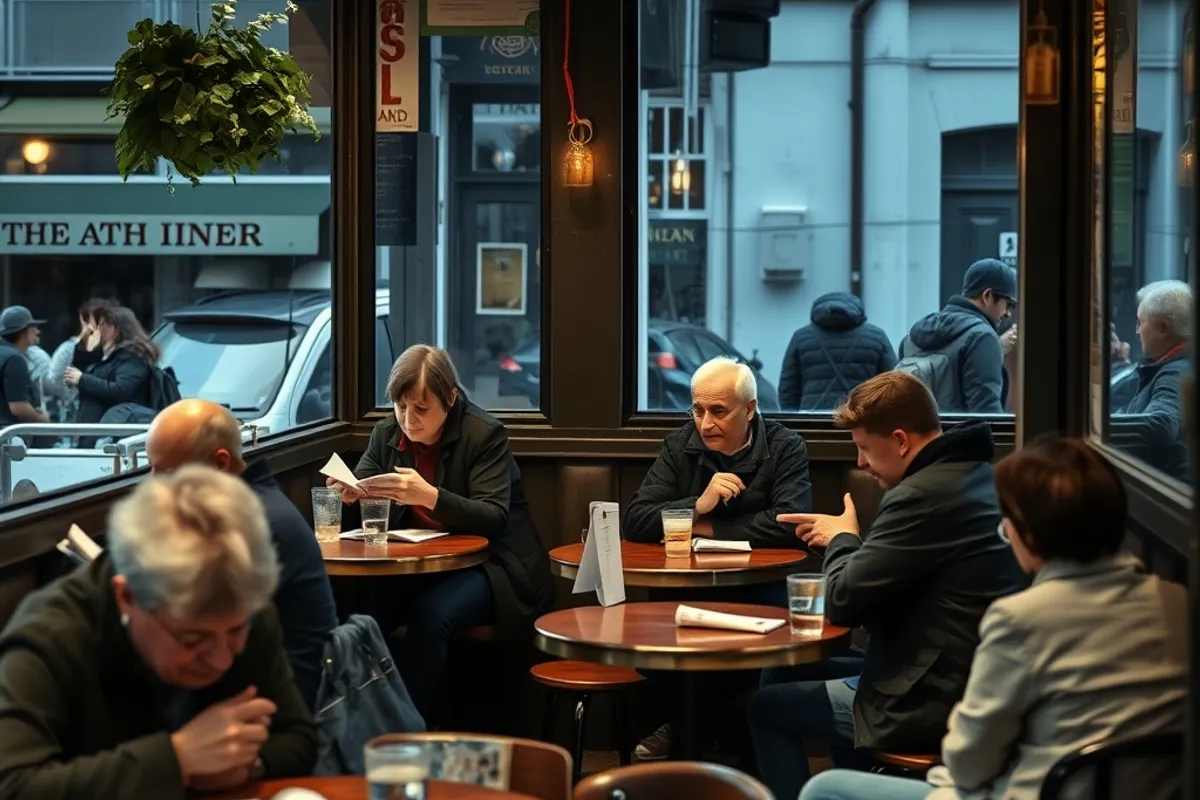
What counts as a third place
A third place is somewhere that is neither home nor work, where you can stay without spending much and without an appointment. A library, a cafe, a park bench, a community hall, a sports club, a place of worship. The category is broad because the function is simple: a neutral ground for casual contact.
The best ones are ordinary. They do not require you to buy something expensive or present a version of yourself. They are open at the hours when people are actually free, and they tolerate loitering, which is exactly what makes them useful.
A third place is not a destination. It is somewhere you can be without a reason.
Why they matter now
Weak ties, the casual connections with people you barely know, are linked to wellbeing, job opportunities and local trust. They are hard to build online because they depend on repeated, low-stakes contact in a shared space. A weekly visit to the same cafe does more for that than a hundred group chats.
Remote work and rising rents have removed many of these spaces at once. A cafe that becomes a laptop office stops being a third place for the people who used to linger. A library that cuts hours loses the after-school crowd. The loss is gradual, which is why it is easy to miss until it is gone.
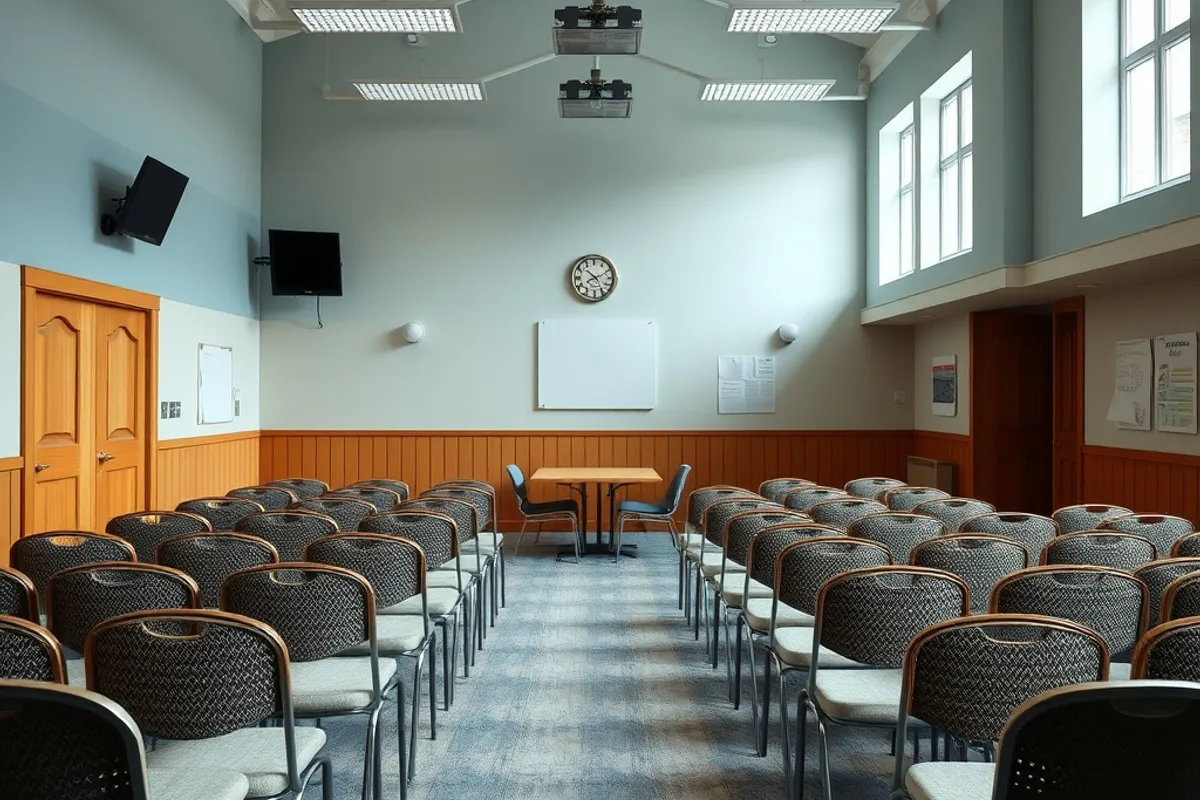
How to keep them alive
Use them, and spend a little. A library needs visits and a council that funds it; a cafe needs customers who stay for one coffee and leave. If you want a place to linger, buy something small and treat the space as shared rather than free office space during peak hours.
Support the policies that keep them open. Library hours, park maintenance and affordable commercial rents are local decisions, and they are public. Our guide to local government transparency explains how to read the budget lines that decide whether a space survives.
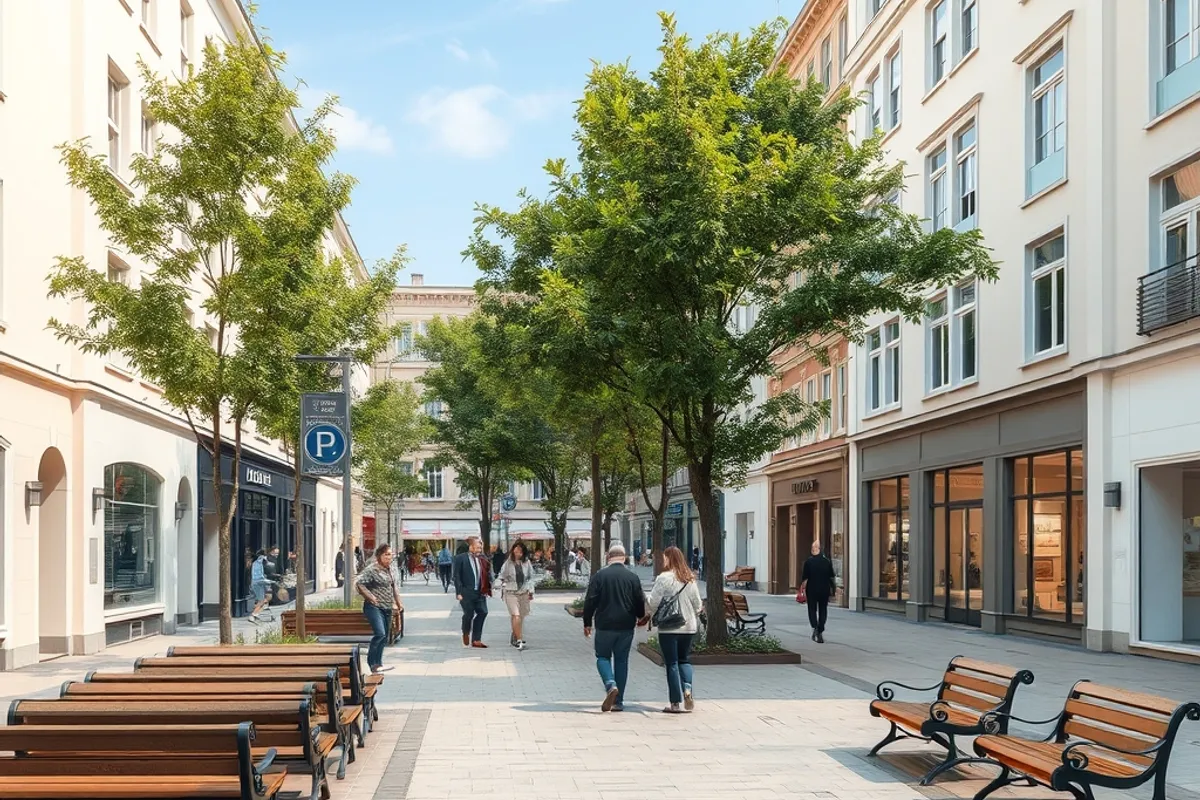
Design matters more than decor
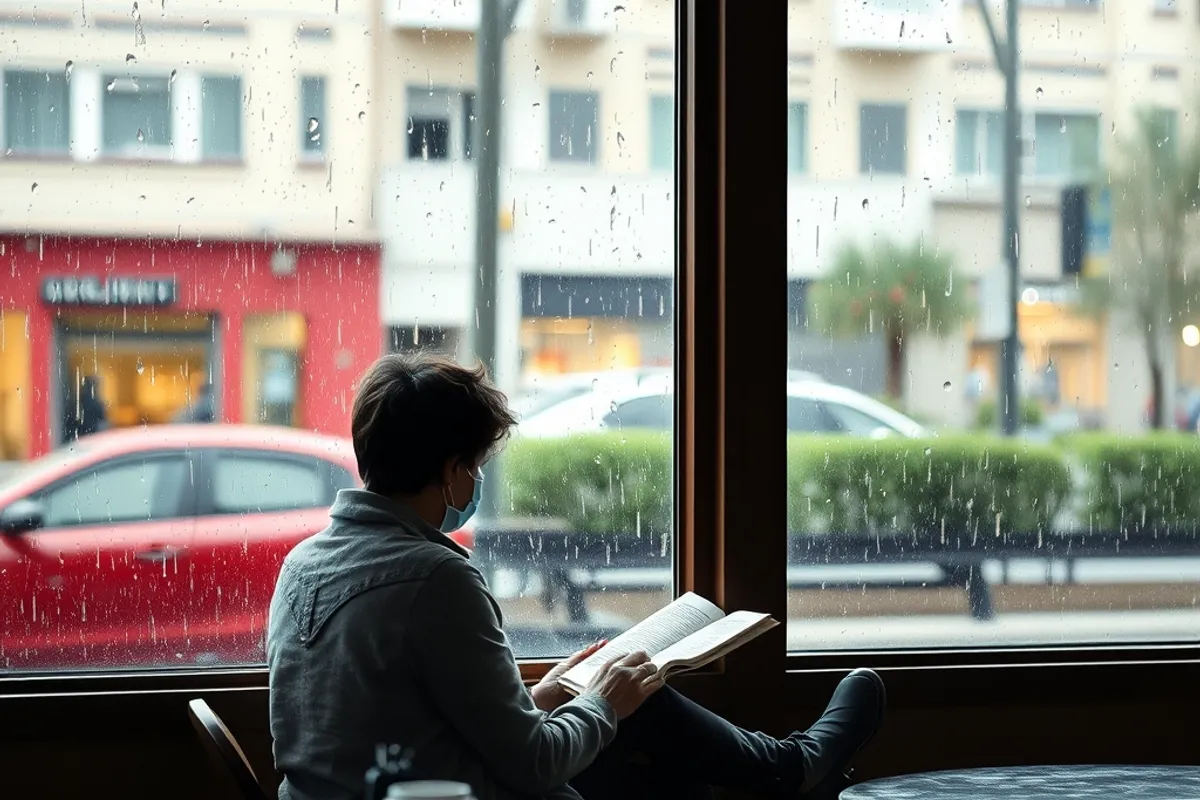
A good third place is easy to reach on foot or by bus, has somewhere to sit without buying a meal, and does not make a solo visitor feel out of place. Big windows help. So do long tables, loose chairs and staff who do not hurry people along.
The most common mistake is to chase a concept. A themed space with a minimum spend is not a third place; it is a venue. The places that last tend to be slightly boring, cheap and consistent, which is precisely why people return.
Start small and go often
Pick one place within walking distance and go at the same time each week. You do not need a group or an event. Repetition is what turns a room into a place where someone knows your face. That is the whole mechanism, and it is available to almost everyone.
For a neutral overview of the concept and its history, see the Wikipedia article on third places. For the personal side of slowing down, read our guide to slow living and digital noise. Between the two, the point is simple: show up, often, without a reason.