Lifestyle
Slow Living 2026: 7 Habits That Quiet Digital Noise
Slow living is less about escape and more about limits. Seven habits we kept for a month, what they changed and how to make them survive a busy week in 2026.
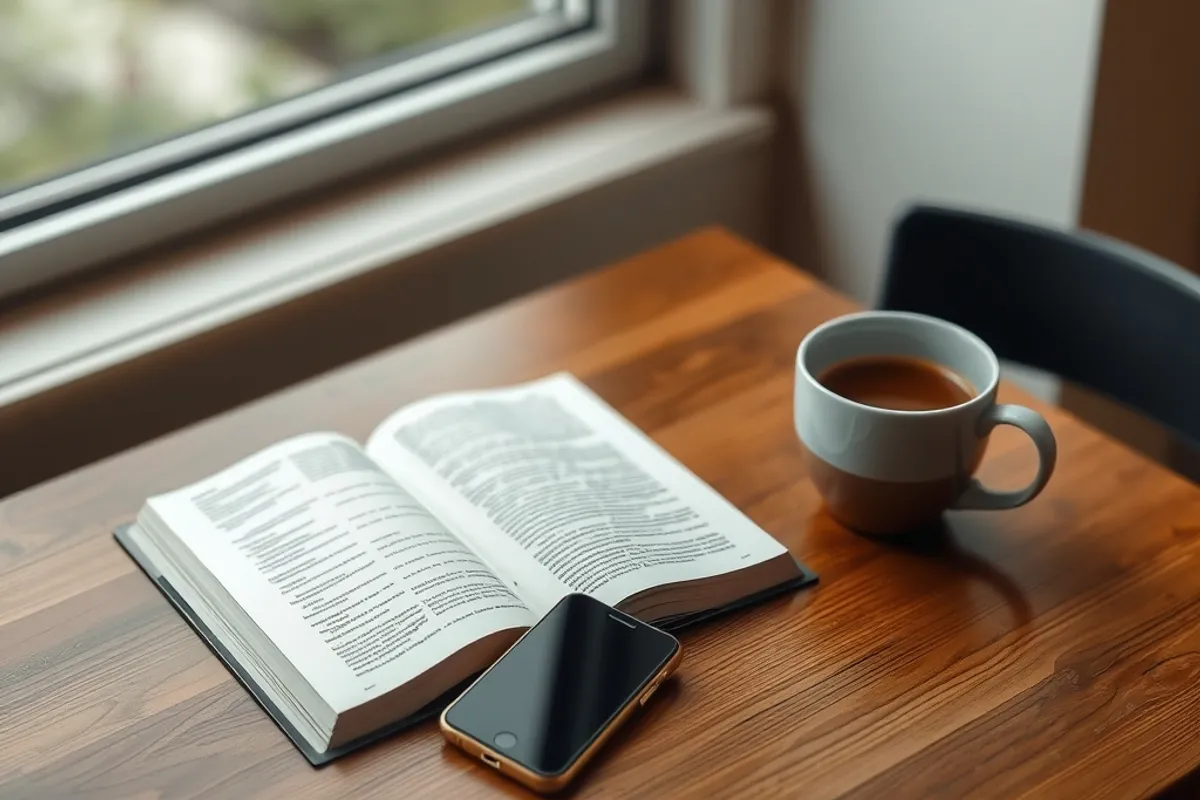
Slow living has a marketing problem. It is sold as linen, candles and a cabin with no wifi. The useful version is much smaller: a few limits that protect your attention and your evenings. We tested seven habits for a month to see which ones survived contact with a normal, busy week.
What slow living actually means
It is a decision about inputs. Fewer notifications, fewer commitments, fewer purchases, more unclaimed time. The point is not to do less for its own sake; it is to leave enough room that rest and attention can happen without being scheduled.
That is why a total detox usually fails. A weekend with no phone is easy; a Tuesday with a deadline is not. The habits that last are small enough to hold when you are tired, and flexible enough to survive a day that goes wrong.
A habit you can keep on your worst day is worth more than a routine that only works on your best.
The seven habits we tested
A phone-free first hour. Notifications off by default. A weekly walk with no podcast. A paper book in the evening. One unplanned afternoon. A single-tasking block in the morning. A short list of what actually needs a reply today.
Each was kept for four weeks and scored on three things: did it stick, did it feel worth it, and did it survive a bad week. The phone-free morning scored highest. The unplanned afternoon was the most enjoyable and the hardest to protect, because other people fill the space if you let them.

What changed in a month
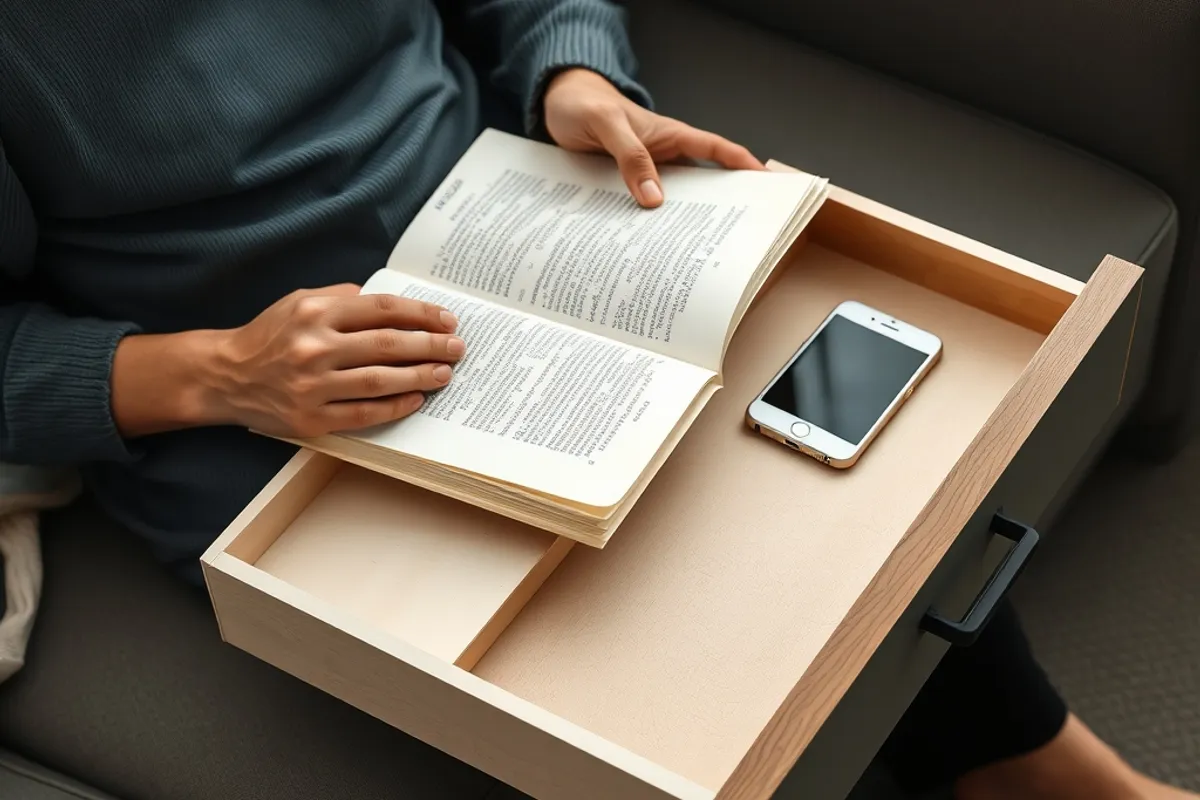
The clearest change was the first hour. Starting the day without a feed made the rest of the morning calmer and shorter. The second change was sleep: a paper book replaced a phone and the difference was obvious within a week. The third was a small but real drop in the feeling of being behind.
Not everything worked. A full notification blackout made some people anxious about missing work, so a filtered version held better. Single-tasking was powerful but only in 45-minute blocks. The lesson was consistent: design for the week you have, not the week you wish you had.
Making it survive a busy week
Attach the habit to something that already happens. Coffee, the commute, the first sit-down at a desk. Give it a time and a place, because intention without a slot rarely becomes a habit. Then lower the bar: one hour, not a whole morning. One walk, not a new identity.
Tell the people who share your day. A household that knows the first hour is quiet is less likely to interrupt it. A colleague who knows you batch replies will not expect an instant answer. Boundaries that are explained are easier to keep than boundaries that are only hoped for.
The habits worth keeping
Keep the phone-free first hour, the paper book and one unplanned block each week. Drop anything that turns into another performance to optimise. If a habit starts to feel like a job, it is no longer rest; it is just a different inbox.
Slow living is not a retreat from the world. It is a way of arriving in it with enough attention to notice. For a neutral overview of the idea and its limits, see the Wikipedia article on digital detox. For the social side of rest, read our guide to third places.